

ADVERTISEMENT
Easy Asian Recipes: 12 Best Dishes You Can Cook in Minutes
Have You Been Craving Asian Cuisine Without the Time to Cook?
Ever found yourself scrolling through food delivery apps at the end of a long workday, craving the complex flavors of easy asian recipes but hesitant to spend the money? You’re not alone. Many home cooks believe that authentic asian recipes require hours of preparation, specialized ingredients, and culinary skills that take years to master. The good news? That’s simply not true.
Asian cuisine, with its rich tapestry of flavors spanning Chinese, Japanese, Thai, Vietnamese, Korean, and more, offers countless dishes that can be prepared in minutes rather than hours. These quick recipes don’t sacrifice authenticity or flavor—they simply streamline the process for busy modern cooks.
In this comprehensive guide, I’ll walk you through 12 delicious Asian dishes that require minimal time investment but deliver maximum flavor. Whether you’re a novice cook or a seasoned home chef looking to expand your weeknight dinner rotation, these recipes will become your new go-to options when time is short but your taste buds demand satisfaction.
Ingredients List

ADVERTISEMENT
The beauty of these quick Asian recipes lies in their smart use of ingredients. Most require staples that, once purchased, will serve you through multiple recipes. Here’s what you’ll need to stock your pantry with:
Pantry Essentials:
- Soy sauce (regular and light)
- Rice vinegar
- Sesame oil
- Oyster sauce
- Fish sauce
- Hoisin sauce
- Sriracha or chili paste
- Coconut milk
- Curry paste (red, green, yellow)
- Rice (jasmine, short-grain, brown)
- Dried noodles (udon, soba, rice noodles, ramen)
Fresh Ingredients:
- Garlic
- Ginger
- Green onions (scallions)
- Cilantro
- Lime
- Protein sources (chicken, beef, tofu, shrimp)
- Vegetables (bell peppers, broccoli, bok choy, carrots, mushrooms)
Substitutions:
- Tamari can replace soy sauce for gluten-free options
- Apple cider vinegar works in place of rice vinegar
- Maple syrup or honey can substitute for brown sugar
- Pre-minced garlic and ginger save precious minutes
- Frozen vegetables work perfectly in stir-fries and are often pre-chopped
Pro Tip: Create your own “flavor bombs” by mixing minced garlic, ginger, and green onions in olive oil, then freezing in ice cube trays. Pop one out whenever you need an instant flavor base!
Timing
One of the greatest advantages of these easy asian recipes is their efficiency. Most can be prepared in under 30 minutes, with some ready in as little as 15 minutes. Here’s what you can expect:
Average Prep Time: 5-10 minutes
Average Cooking Time: 10-15 minutes
Total Time Investment: 15-25 minutes
This represents a significant time savings compared to traditional versions of these dishes, which might require marinating meat overnight or simmering broths for hours. By using smart shortcuts and modern cooking equipment like pressure cookers or air fryers, we’ve compressed the timeline without compromising on flavor.
Time-Saving Context: The average American spends 37 minutes preparing dinner. These recipes cut that time nearly in half, giving you extra minutes to relax, help with homework, or simply enjoy your meal without rushing.
Step-by-Step Instructions
Recipe 1: 15-Minute Pad Thai
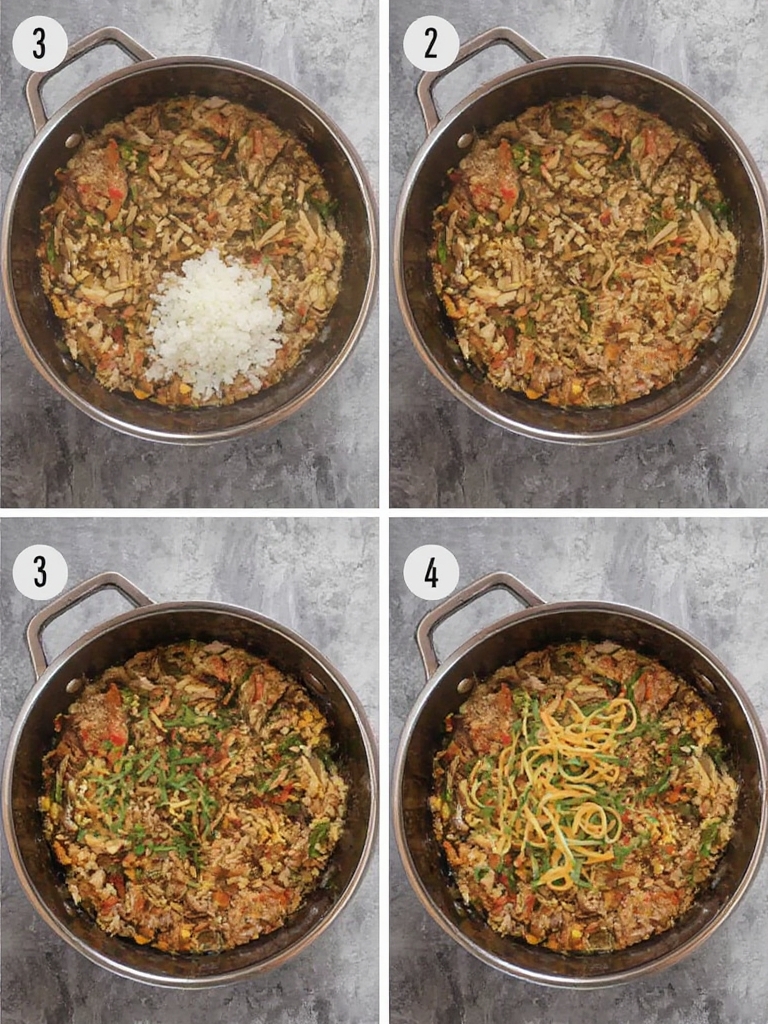
Step 1: Prepare the Noodles
Soak rice noodles in hot water for 8 minutes until al dente. Don’t boil them—they’ll become too soft for stir-frying. While waiting, chop your vegetables and protein.
Step 2: Make the Sauce
Whisk together 3 tablespoons fish sauce, 2 tablespoons brown sugar, 2 tablespoons lime juice, and 1 tablespoon sriracha. This balanced mixture gives you the signature sweet-sour-spicy profile of authentic Pad Thai.
Step 3: Stir-Fry
In a wok or large skillet, heat 2 tablespoons oil over high heat. Add beaten eggs and scramble quickly. Push to one side, then add your protein of choice (thinly sliced chicken, shrimp, or tofu) and cook for 2-3 minutes.
Step 4: Combine and Serve
Add drained noodles, sauce, bean sprouts, and chopped peanuts. Toss for 1-2 minutes until everything is coated and heated through. Garnish with cilantro, lime wedges, and extra peanuts.
Recipe 2: 10-Minute Fried Rice
Step 1: Prepare Rice
Use cold, day-old rice for best results—fresh rice will become mushy. If you only have fresh rice, spread it on a baking sheet and refrigerate for 20 minutes before cooking.
Step 2: Heat and Season Wok
Heat wok until smoking slightly, then add oil and swirl. Add minced garlic, ginger, and white parts of scallions, stirring quickly to prevent burning.
Step 3: Add Protein and Vegetables
Add diced protein (leftover chicken, ham, or tofu) and frozen mixed vegetables. Stir-fry for 2 minutes until vegetables are warm.
Step 4: Add Rice and Seasonings
Add rice, breaking up any clumps. Drizzle with 1-2 tablespoons soy sauce and 1 teaspoon sesame oil. Toss until every grain is coated and heated through. Create a well in the center, add beaten egg, and scramble before incorporating.
Nutritional Information
Understanding the nutritional content of these dishes helps you make informed choices about your meals. Values below are approximate per serving:
Average Values Across Recipes:
- Calories: 350-450 per serving
- Protein: 18-25g
- Carbohydrates: 40-55g
- Fat: 12-18g
- Fiber: 3-5g
- Sodium: 600-900mg
Nutritional Highlights:
- These recipes feature lean proteins and abundant vegetables
- Many include metabolism-boosting spices like ginger and chili
- The balance of protein, complex carbs, and healthy fats provides sustained energy
- Most are naturally rich in vitamins A, C, and various B vitamins
Healthier Alternatives for the Recipe
These already-efficient recipes can be adapted further to suit various dietary needs:
Lower Carb Options:
- Replace rice with cauliflower rice (saves 30g carbs per cup)
- Use spiralized zucchini or shirataki noodles instead of wheat or rice noodles
- Increase the protein-to-carb ratio by adding extra chicken, tofu, or eggs
Gluten-Free Adaptations:
- Use tamari instead of soy sauce
- Choose rice noodles or 100% buckwheat soba
- Verify that other sauces (oyster, hoisin) are certified gluten-free
Plant-Based Versions:
- Substitute tofu, tempeh, or seitan for animal proteins
- Use mushrooms for umami flavor in place of fish or oyster sauce
- Add extra nuts or edamame to boost protein content
Serving Suggestions
Elevate your quick Asian meals with these serving ideas:
Presentation Tips:
- Serve stir-fries in a large white bowl to make colors pop
- Arrange noodle dishes with height, using tongs to create a slight twist
- Garnish with fresh herbs, sliced chilies, or sesame seeds for visual appeal
Complementary Side Dishes:
- Quick cucumber salad with rice vinegar and sesame oil
- Steamed edamame with flaky salt
- Simple miso soup from instant paste (ready in 3 minutes)
Beverage Pairings:
- Jasmine tea complements most dishes without overwhelming flavors
- Asian lagers like Tsingtao, Sapporo, or Tiger Beer
- For non-alcoholic options, try sparkling water with cucumber and lime
Common Mistakes to Avoid
Even with easy asian recipes, a few technical pitfalls can affect your results:
Temperature Issues:
- Not getting your wok or pan hot enough before adding ingredients
- Solution: Heat pan until water droplets dance and evaporate immediately
Overcrowding the Pan:
- Adding too many ingredients at once lowers temperature and causes steaming
- Solution: Cook in batches if necessary, especially with protein
Sauce Consistency Problems:
- Adding sauce too early can make it evaporate; too late can leave flavors unincorporated
- Solution: Add sauce after ingredients are cooked but before noodles/rice for stir-fries
Cutting Techniques:
- Inconsistent sizes lead to uneven cooking
- Solution: Cut proteins and vegetables to similar sizes for even cooking times
Storing Tips for the Recipe
These dishes are excellent candidates for meal prep and leftovers:
Refrigeration:
- Most dishes keep well for 3-4 days in airtight containers
- Store sauces separately from fresh components when possible
Freezing Options:
- Curry dishes and stir-fries freeze well for up to 3 months
- Noodle dishes generally don’t freeze well but can be refrigerated
Reheating Methods:
- Microwave: Add a sprinkle of water before reheating to restore moisture
- Stovetop: Quickly stir-fry again for 2-3 minutes to maintain texture
- Add fresh garnishes after reheating to brighten flavors
Conclusion
The world of asian recipes doesn’t have to be intimidating or time-consuming. With these 12 quick and easy dishes in your culinary arsenal, you can enjoy authentic Asian flavors any night of the week—no delivery app required.
The beauty of these recipes lies in their flexibility. Once you understand the basic techniques and flavor profiles, you can customize them endlessly based on what you have on hand or what your family enjoys. Start with the recipe that speaks to you most, and gradually work your way through the collection.
Ready to transform your weeknight dinner routine? Choose one recipe from this guide, make sure you have the basic ingredients on hand, and give yourself just 20 minutes to create something delicious. Your taste buds—and your schedule—will thank you.
FAQs
Can I make these recipes truly authentic while keeping them quick?
Absolutely! The time-consuming elements of traditional recipes often involve preparation techniques rather than cooking methods. By using pre-minced aromatics, high heat, and efficient cutting techniques, you maintain authenticity while saving time.
What’s the one essential tool I need for quick Asian cooking?
A good wok or large, high-sided skillet is invaluable. The shape promotes quick, even cooking and requires less oil than flat pans. However, any large pan will work if you’re just starting out.
How can I build flavor quickly without lengthy marinating?
Use “flavor bombs” like garlic-ginger paste, curry pastes, or concentrated sauces. These provide depth without requiring hours of development. Also, finishing dishes with fresh herbs, citrus zest, or a drizzle of toasted sesame oil adds brightness.
Are these recipes suitable for beginners?
Yes! These streamlined recipes focus on simple techniques that don’t require special skills. The key is having ingredients prepped before you start cooking, as most Asian stir-fries move quickly once heat is applied.
Can I prepare components in advance for even faster cooking?
Definitely! Sauce mixtures can be prepared up to a week ahead and stored refrigerated. Proteins can be sliced and marinated overnight, and vegetables can be chopped a day in advance. With these prep steps done, many recipes come together in under 10 minutes.
ADVERTISEMENT
