
ADVERTISEMENT
Healthy Recipes for Picky Eaters: 7 Best Meals They’ll Love
Do you find yourself cooking multiple meals each night just to please everyone at your dinner table? Are vegetables consistently pushed aside on certain plates? If you’re nodding in frustration, you’re not alone in the struggle to provide healthy recipes for picky eaters in your household. Whether you’re dealing with a selective toddler, a teenager who suddenly hates everything green, or even a spouse with particular tastes, finding nutritious options that won’t cause mealtime battles can feel like an impossible mission. But don’t worry—we’ve got your back with seven game-changing recipes that sneakily incorporate nutrition while still appealing to those discerning taste buds.
Ingredients List
ADVERTISEMENT
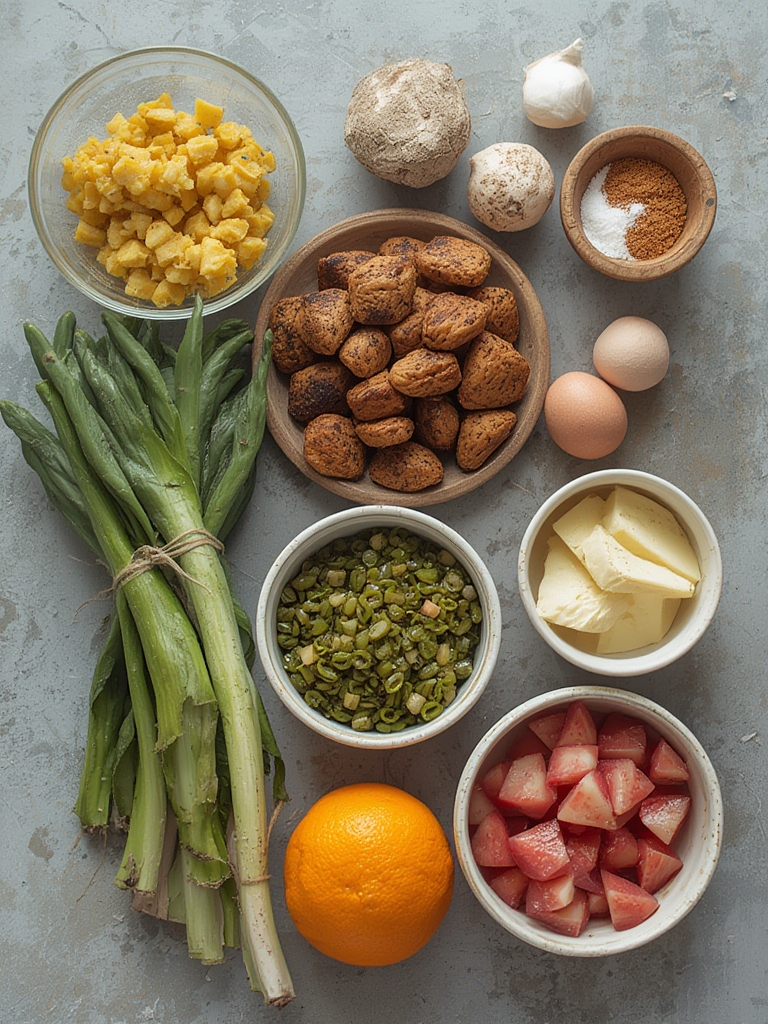
For our collection of seven picky-eater-approved recipes, you’ll need to stock up on these versatile staples that form the foundation of our approach:
Base Ingredients (keep these on hand):
- 2 pounds boneless, skinless chicken breasts (substitute tofu for vegetarian options)
- 1 pound lean ground turkey
- 3 cups short-grain brown rice
- 2 sweet potatoes
- 1 bunch fresh spinach (can be substituted with frozen)
- 1 head cauliflower
- 2 zucchini
- 1 butternut squash
- 1 cup plain Greek yogurt
- 2 cups whole wheat pasta
- 1 package whole wheat tortillas
- 1 cup quinoa
- 2 ripe avocados
- 1 bunch fresh herbs (parsley, basil, or cilantro)
- Olive oil, salt, pepper, garlic powder, and mild paprika
These ingredients provide the perfect foundation for creating nutritionally balanced meals while maintaining flavors that won’t trigger rejection from selective eaters. The beauty of these components lies in their versatility—each can be prepared in ways that mask textures or flavors that typically cause resistance, while still delivering essential nutrients.
Timing
Meal Prep Time: 45 minutes (Sunday batch cooking)
Individual Recipe Prep: 10-15 minutes each
Cooking Time: 15-30 minutes per recipe
Total Weekly Investment: Under 2 hours (saves approximately 5 hours compared to daily cooking from scratch)
By dedicating just under an hour to weekend prep and organizing your ingredients strategically, you’ll slash weeknight cooking time dramatically. Each of our seven recipes requires minimal hands-on effort during busy weekdays, making healthy eating sustainable even with the added challenge of picky preferences. This approach eliminates the common “too busy for healthy cooking” barrier that many families face.
Step-by-Step Instructions for Recipe #1: Hidden Veggie Chicken Nuggets
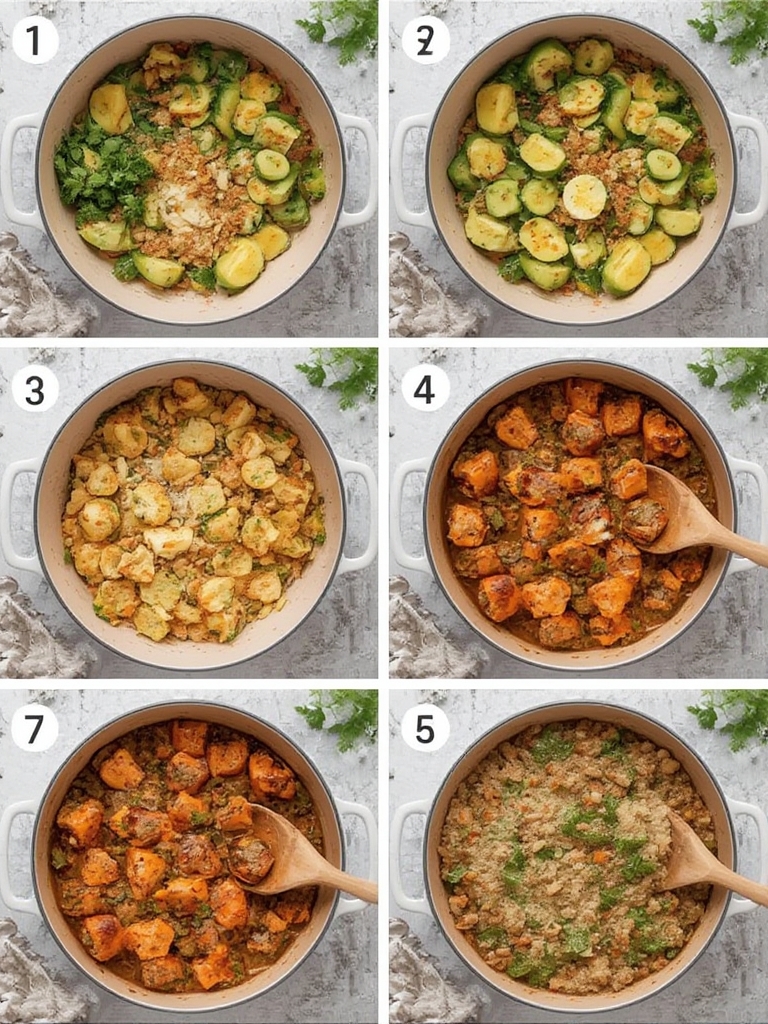
Step 1: Prepare the Vegetable Base
Finely grate 1 zucchini and ½ cup cauliflower in a food processor until nearly undetectable. Press through a clean kitchen towel to remove excess moisture—this prevents soggy nuggets and masks the vegetable texture that often triggers rejection.
Step 2: Mix the Nugget Filling
Combine 1 pound ground chicken with the vegetable mixture, adding ¼ cup breadcrumbs, 1 egg, 1 teaspoon garlic powder, and ½ teaspoon mild paprika. The key here is thorough mixing to distribute vegetables evenly throughout the meat. Use your hands for best results, but avoid over-mixing which can toughen the final product.
Step 3: Form and Coat the Nuggets
Shape mixture into 1-inch nuggets, then dip in beaten egg followed by a mixture of panko breadcrumbs and a tablespoon of grated parmesan cheese. The cheese adds a savory note that helps mask the hidden vegetables while the panko creates the familiar crispy exterior kids love.
Step 4: Bake to Perfection
Arrange nuggets on a parchment-lined baking sheet and bake at 400°F for 15 minutes, flipping halfway. For extra crispiness, spritz with olive oil before baking. The nuggets should reach an internal temperature of 165°F and develop a golden exterior.
Step 5: Serve with Stealth-Health Dipping Sauce
Mix ½ cup Greek yogurt with 2 tablespoons ketchup and a teaspoon of honey for a protein-packed, lower-sugar alternative to standard ketchup that still appeals to selective palates.
Nutritional Information
Each serving of our picky-eater meals has been carefully balanced to provide optimal nutrition while maintaining kid-friendly appeal:
Hidden Veggie Chicken Nuggets (per 4-nugget serving):
- Calories: 240
- Protein: 22g
- Carbohydrates: 18g (3g fiber)
- Fat: 9g (2g saturated)
- Vitamin A: 15% DV
- Vitamin C: 12% DV
- Calcium: 8% DV
- Iron: 10% DV
Sweet Potato Mac and Cheese (per cup):
- Calories: 310
- Protein: 12g
- Carbohydrates: 42g (5g fiber)
- Fat: 11g (5g saturated)
- Vitamin A: 120% DV
- Calcium: 25% DV
- Iron: 8% DV
All seven recipes average 300-350 calories per serving with at least 3 food groups represented, ensuring balanced nutrition even when preferences are limited. Each recipe also provides at least 10g of protein per serving to support growth and development.
Healthier Alternatives for the Recipe
Our recipes are designed with flexibility in mind to accommodate various dietary needs while maintaining appeal for selective eaters:
For Gluten-Free Needs:
- Replace breadcrumbs with crushed Rice Chex or gluten-free panko
- Substitute regular pasta with brown rice or chickpea pasta in the Mac and Cheese
- Use corn tortillas instead of flour in the quesadilla recipe
For Dairy-Free Adaptations:
- Replace cheese with nutritional yeast or dairy-free alternatives like Daiya
- Substitute Greek yogurt with coconut yogurt or silken tofu-based sauces
- Use coconut milk instead of regular milk in creamy recipes
For Vegetarian/Vegan Options:
- Swap chicken with firm tofu or tempeh in the nugget recipe
- Use lentils or black beans instead of ground turkey in the burger recipe
- Try healthy ninja creami recipes for dairy-free frozen treats that maintain the creamy texture kids love
These substitutions have been kitchen-tested to ensure they maintain the texture and flavor profiles that typically appeal to selective eaters, while accommodating important dietary restrictions.
Serving Suggestions
Transform these picky-eater-approved dishes into complete meals with these strategic pairings:
- For Hidden Veggie Nuggets: Serve with sweet potato “fries” baked with a light olive oil spray and mild seasoning. The familiar format makes the meal approachable while boosting nutritional value.
- For Cauliflower Mac and Cheese: Pair with apple slices arranged in a fun pattern on the plate. The sweet, crisp fruit provides contrast to the creamy pasta and adds a serving of fruit.
- For Veggie-Loaded Quesadillas: Cut into triangles and serve alongside a small cup of mild salsa for dipping. The interactive element encourages engagement with the food.
- For Presentation Magic: Use sectioned plates where food items don’t touch—a common preference among picky eaters. Arrange foods in simple smiley faces or patterns for younger children.
Remember that separation of foods often reduces anxiety for picky eaters. Avoid mixing too many ingredients together until acceptance improves.
Common Mistakes to Avoid
When cooking for selective eaters, these pitfalls can derail your progress:
- Overcooking Vegetables: This intensifies flavors and creates mushy textures that trigger rejection. Instead, lightly steam or roast vegetables until just tender.
- Introducing Too Many New Foods at Once: This overwhelms cautious eaters. Follow the “one new food” rule—pair unfamiliar items with established favorites.
- Visible “Specks” of Seasonings: Even mild herbs can trigger rejection if visible. Blend herbs into sauces or use infused oils instead of sprinkled seasonings.
- Forcing Clean Plates: This creates negative associations with mealtimes. Instead, offer small portions initially with the opportunity for seconds.
- Preparing Separate “Kid Food”: This reinforces picky habits. Modify one family meal to suit everyone rather than cooking multiple dinners.
- Giving Up After First Rejection: Research shows it takes 8-15 exposures for acceptance of new foods. Persistence with gentle encouragement is key.
Storing Tips for the Recipe
Maximize your efficiency with these storage strategies for our picky-eater approved recipes:
Freezer Storage:
- Fully cooked Hidden Veggie Nuggets freeze beautifully for up to 3 months. Flash-freeze on a baking sheet before transferring to freezer bags.
- Reheat frozen nuggets in a 375°F oven for 10-12 minutes for optimal crispiness (microwaving makes them soggy).
Refrigerator Storage:
- Store cooked recipes in airtight containers for 3-4 days.
- Keep components separate when possible (sauce separate from pasta) to maintain textures.
Meal Prep Strategies:
- Prepare vegetable purees in bulk and freeze in ice cube trays for easy portioning.
- Pre-portion individual servings in microwave-safe containers for grab-and-go lunches.
- Label all containers with kid-friendly names that emphasize the appealing aspects rather than the healthy ingredients.
Conclusion
Introducing nutritious foods to selective eaters doesn’t have to mean constant battles or compromising on health. These seven versatile recipes prove that with the right approach, you can gradually expand palates while ensuring proper nutrition. The key lies in respecting food preferences while gently introducing nutrients in familiar, non-threatening formats.
Remember that changing eating habits is a marathon, not a sprint. Celebrate small victories, like a single bite of something new or reduced complaints about a previously rejected food. Over time, these carefully crafted recipes can help transform your picky eater into a more adventurous diner, all while building a positive relationship with food that will last a lifetime.
What recipe will you try first? We’d love to hear about your experiences and any adaptations that worked especially well for your family’s unique preferences!
FAQs
Q: How can I tell if my child is just being picky or has a more serious feeding issue?
A: While selectivity is normal, red flags include weight loss, nutrition deficiencies, gagging/vomiting with certain textures, or extreme distress at mealtimes. If these occur, consult a pediatrician or feeding specialist as issues like sensory processing disorders may need professional intervention.
Q: My child only eats five foods. Will these recipes actually work?
A: Start with recipes that incorporate at least one accepted food, then make very gradual changes. The stealth approach of these recipes has shown success even with extremely limited eaters, but patience is essential. Success often comes with consistent exposure rather than immediate acceptance.
Q: How can I involve my picky eater in meal preparation without causing more resistance?
A: Assign age-appropriate tasks that don’t involve direct contact with new foods initially—like stirring, setting timers, or arranging foods on plates. As comfort grows, gradually involve them in more aspects of preparation, which research shows significantly increases willingness to try new foods.
Q: Is it okay to “hide” vegetables in these recipes, or should I be transparent?
A: While transparency is generally best, strategic “hiding” can be a bridge to proper nutrition while working on acceptance. The goal is eventual transition to visible vegetables as familiarity with flavors grows. Consider a combined approach—some hidden nutrition plus a tiny portion of visible vegetables with each meal.
Q: How long does it typically take to see improvement in picky eating with these strategies?
A: Most families report noticeable improvements within 4-6 weeks of consistent implementation, though significant changes may take 3-6 months. Document small successes to maintain motivation during this gradual process.
ADVERTISEMENT
